Top Strategies for Successful Trading: A Data-Driven Guide
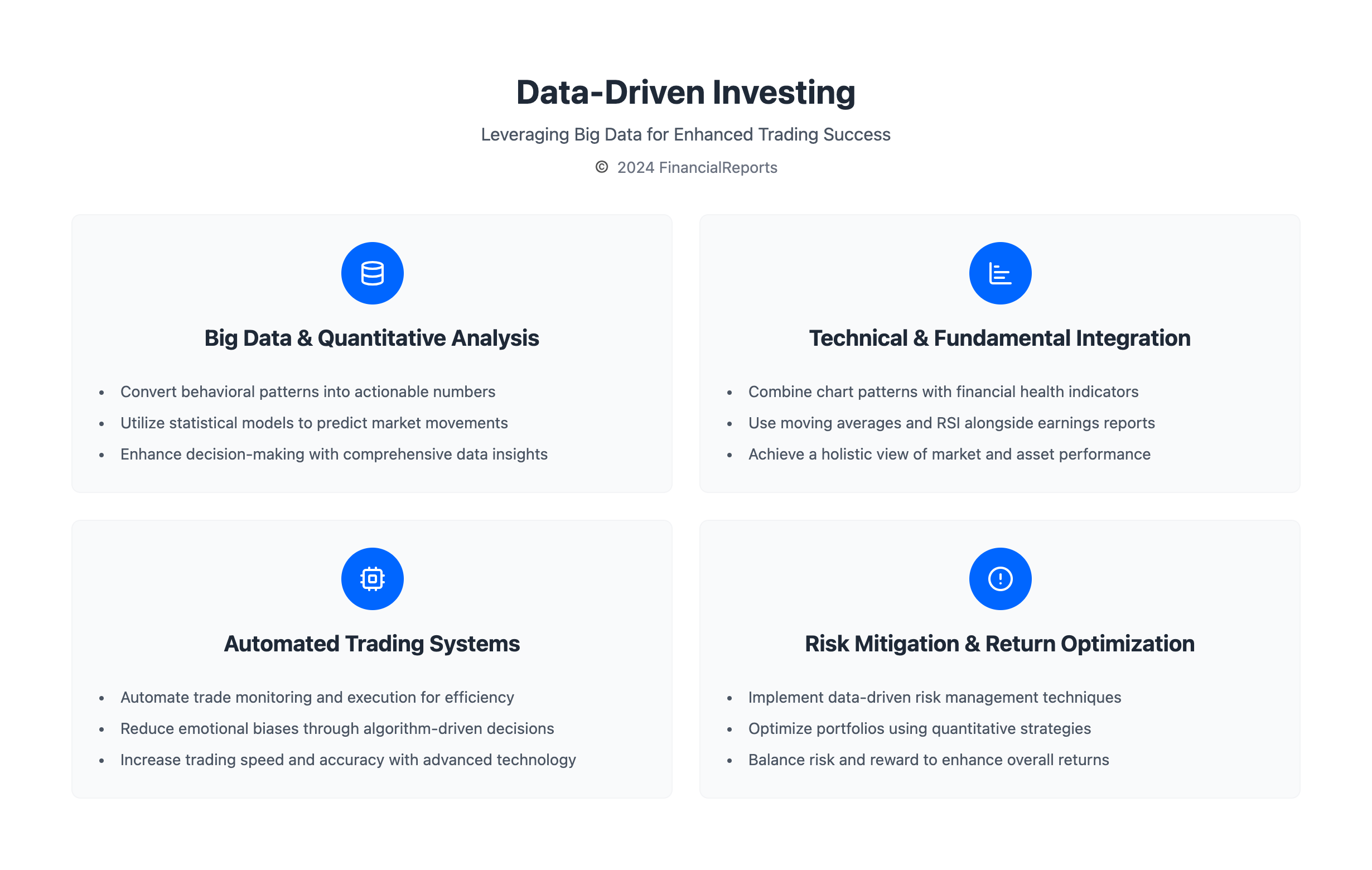
Good trading strategies are key to success in trading. They mix technical and fundamental analysis. Stock trading strategies help traders make smart choices and boost their success chances. Big data and quantitative analysis turn behavioral patterns into numbers, guiding data-driven decisions.
Data-driven investing boosts returns with big data. It also reduces risks and aims to increase profits across various industries. Data-driven trading systems automate trade monitoring and execution. This leads to more informed decisions. Strategies like trend and swing trading help traders follow market trends, boosting their success.
Introduction to Trading Strategies
Trading strategies, including stock trading, aim to help traders succeed. Technical analysis, like moving averages and chart patterns, predicts price movements. This leads to data-driven choices. Fundamental analysis looks at financial statements and economic indicators to judge a company's health. It's used with technical analysis for a full strategy.
Key Takeaways
- Good trading strategies are essential for successful trading and involve a combination of technical and fundamental analysis.
- Data-driven investing can enhance investment returns and mitigate risks.
- Trading strategies, including stock trading strategies, can help traders make informed decisions and increase their chances of success.
- Technical analysis methods, such as moving averages and chart patterns, can be used to forecast price movements.
- Fundamental analysis involves examining financial statements and economic indicators to assess a company's financial health.
- Integrating data analysis in trading strategies can enhance decision-making processes, risk mitigation, and return optimization.
- Traders who utilize data-driven decision-making can potentially increase their success rate by over 50%.
 Understanding Good Trading Strategies
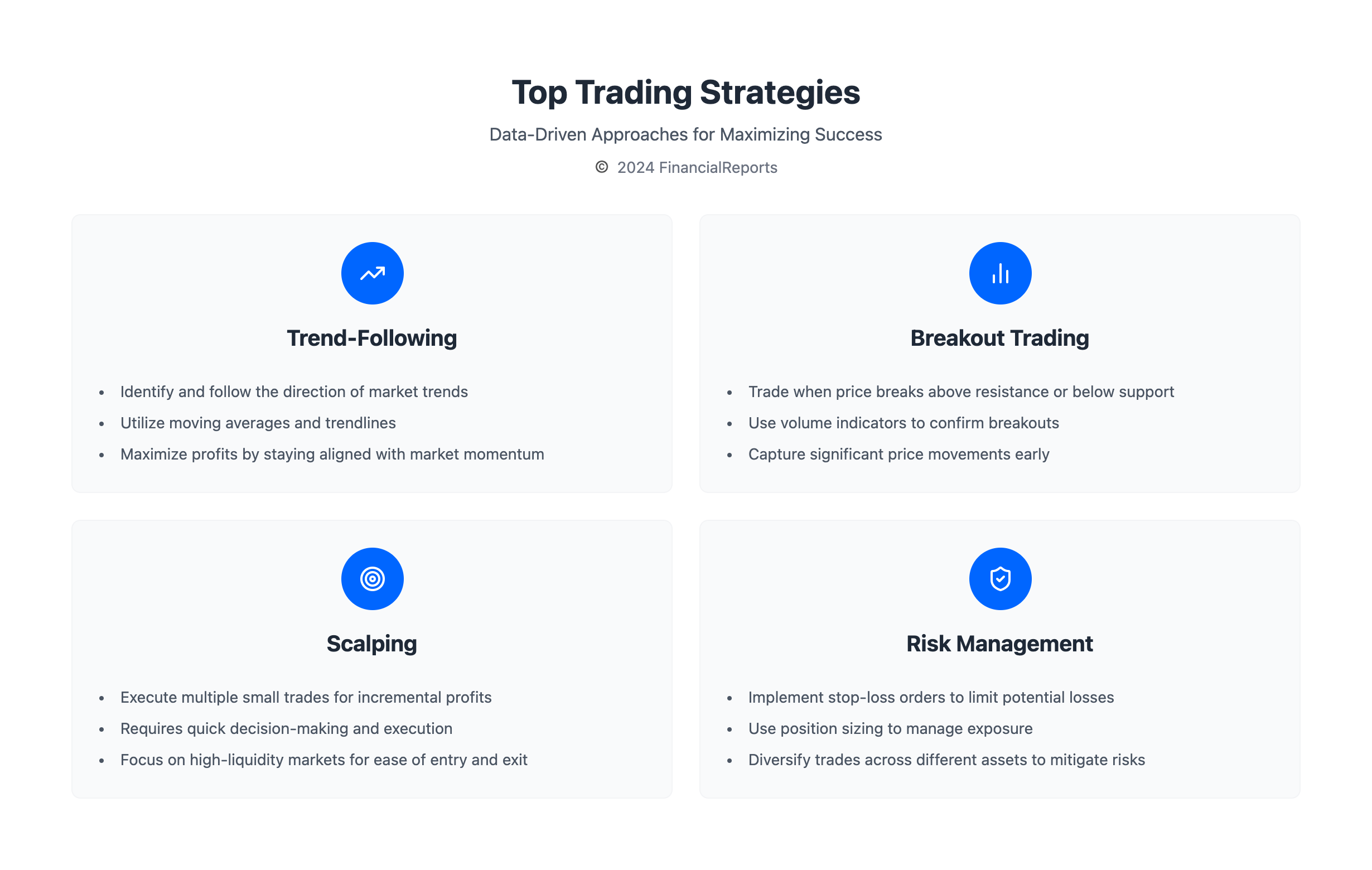
Creating a winning trading strategy means knowing what makes it work. Traditional methods like technical and fundamental analysis are key. Adding simple strategies like trend-following boosts profits.
A good trading plan outlines your risk level, profit goals, and how to handle emotions. It should use both arbitrage and range trading to profit from market shifts. Techniques like momentum trading and scalping help make money from quick market changes.
The Importance of a Solid Trading Plan
A solid plan is vital for trading success. It keeps traders focused and avoids emotional mistakes. A good plan includes:
- Risk management strategies, such as stop-loss orders and position sizing
- Profit targets, including realistic expectations and goals
- Emotion management techniques, such as stress-testing and discipline
Key Components of Successful Strategies
Good strategies mix technical and fundamental analysis. Technical analysis uses tools like stochastic oscillators to spot trades. Fundamental analysis looks at things like revenue to guide decisions.
| Trading Strategy | Description |
|---|---|
| Trend-Following | Following the direction of market trends to maximize profits |
| Breakout Trading | Trading on the basis of price movements that exceed established levels of support or resistance |
| Scalping | Making multiple small trades in a short period to take advantage of small price movements |
By using traditional methods, simple strategies, and a solid plan, traders can do better. Staying disciplined, patient, and informed is key to making money in the long run.
Types of Trading Strategies
Trading strategies differ based on personal style, risk comfort, and market trends. Active trading includes scalping, day trading, swing trading, and position trading. Each strategy has its own benefits and challenges. For example, day trading aims for quick profits by buying and selling in one day.
Swing trading, in contrast, holds securities for days to months to catch short-term price changes. Scalping trades last from seconds to minutes, focusing on small price movements. This method requires fast analysis and quick decisions.
Some popular strategies include:
- Day trading: allows for quick profits within a single trading day
- Swing trading: captures short to medium-term price movements
- Scalping trading: involves multiple quick trades to generate small profits
Choosing a strategy depends on risk tolerance, market trends, and technical indicators. Swing traders aim for medium-term gains, while day traders seek short-term profits. Understanding these strategies helps traders pick the right approach for their goals and risk level.
| Trading Strategy | Time Frame | Risk Level |
|---|---|---|
| Day Trading | Same trading day | High |
| Swing Trading | Few days to months | Moderate |
| Scalping | Few seconds to minutes | High |
Setting Your Trading Goals
Setting clear trading goals is key to success in the financial markets. These goals should outline your risk tolerance and profit targets. This helps traders create a plan to reach their goals. A common goal is to aim for a 10% return on investment each month.
Knowing your risk tolerance is vital. It helps decide how much capital to use for each trade. For example, setting aside 2% of your account balance for each trade. This approach helps control risks and prevents big losses.
Defining Risk Tolerance and Establishing Realistic Profit Targets
To set realistic profit targets, aim for steady, achievable goals. Successful hedge funds and managers often aim for a few percent a month. This shows that steady returns are more valuable than high-risk strategies. Reviewing past trades helps improve your strategy.
Here are some examples of achievable goals:
- Review 25 charts a day to analyze the US S&P 500 index shares
- Spending half an hour every Monday, Wednesday, and Friday to review major forex pairs
- Allocating a couple of hours every month to analyze past trades and adjust the trading plan
By setting clear goals, defining risk, and aiming for realistic profits, traders can build a strong foundation. This approach emphasizes discipline, simplicity, and risk control. It leads to more consistent and profitable trading results.
| Goal | Description |
|---|---|
| Review charts | Review 25 charts a day to analyze the US S&P 500 index shares |
| Review forex pairs | Spend half an hour every Monday, Wednesday, and Friday to review major forex pairs |
| Analyze past trades | Allocate a couple of hours every month to analyze past trades and adjust the trading plan |
Analyzing Market Trends
Market trends are key in trading. They can greatly affect a trading strategy's success. By studying trends, traders find good times to buy and sell, reduce risks, and make smart choices. Trend analysis looks at short, medium, and long-term trends, helping traders adjust to market changes.
There are different trends like up, down, and sideways markets. Trend traders use strategies like moving averages and trendlines to profit from these trends. Trend analysis helps traders spot good times to buy and sell, reduce risks, and make better choices.
Utilizing Technical Analysis Tools
Technical analysis uses charts and indicators to spot trends and patterns. Tools like moving averages and the relative strength index (RSI) are used. These tools help traders understand market trends and make informed decisions.
Fundamental Analysis: Beyond the Charts
Fundamental analysis looks at the factors that affect the market, like economic data and company performance. It involves studying financial statements and industry trends. Combining technical and fundamental analysis gives traders a deeper understanding of market trends.
Some key benefits of analyzing market trends include:
- Identifying buying and selling opportunities
- Minimizing risk
- Improving decision-making
- Capitalizing on market momentum
- Simplified decision-making
| Trend Type | Description |
|---|---|
| Uptrend | Characterized by higher highs and higher lows, indicating an upward trajectory in the market |
| Downtrend | Involves lower highs and lower lows, signaling a bearish sentiment in the market |
| Sideways Trend | Occurs when prices fluctuate within a stable range, lacking significant upward or downward movement |
Risk Management Techniques
Risk management is key to successful trading. It helps limit losses and increase gains. Techniques like stop-loss orders and position sizing control risk. For instance, the one-percent rule limits risk to 1% of capital per trade.
Stop-loss orders close a trade at a set price, capping losses. Position sizing adjusts trade size based on risk tolerance. These methods protect portfolios from big losses and market volatility.
Important statistics for risk management include:
- The risk/reward ratio compares trade gains to losses.
- Risk tolerance ranges from 1% to 5% of the trading account's value.
- Diversification spreads investments across sectors, sizes, and regions.
Using these techniques, traders can reduce losses and increase gains. This helps them reach their investment goals.
Trading Psychology
Trading psychology is key to success or failure in trading. Emotions like fear and greed can greatly influence a trader's choices. Discipline and patience help manage these feelings and follow a trading plan. Studies show that fear and greed are the top emotions affecting trading, leading to quick decisions and big losses.
Managing emotions is vital for a trader's success. This means having a solid trading plan, doing thorough research, and setting a risk-reward ratio. Discipline helps stick to the plan, and patience is needed for waiting for the best trading moments. Knowing how emotions react to market changes helps traders make better choices and avoid common mistakes.
Some common biases that impact trading psychology include:
- Cognitive biases, such as confirmation bias and illusion of control bias
- Emotional biases, such as loss aversion bias and overconfidence bias
By understanding these biases and finding ways to manage them, traders can boost their trading psychology and success rates.
| Bias | Description |
|---|---|
| Cognitive bias | Affecting judgment and decision-making |
| Emotional bias | Influencing emotions and behaviors |
Developing a Backtesting Strategy
Backtesting is key in making a trading strategy work. It lets traders check how their strategy does with historical data. They can spot problems and fix them before using the strategy in real markets. This involves checking strategies with important metrics like profit/loss ratio and maximum drawdown.
To make a good backtesting strategy, start by setting your strategy's rules. Decide which market and time frame to use. Then, use historical data to find trades and look at price charts for when to enter and exit. By tracking all trades and subtracting commissions, you can see your net return and compare it to your capital.
Some important things to think about when making a backtesting strategy include:
- Using enough historical data for accurate results
- Thinking about the time of day and market conditions when backtesting
- Not making the strategy too complex or over-optimized
- Keeping track of backtested trades to improve strategy over time
By following these steps and using evaluating strategies well, traders can create a solid backtesting strategy. This helps them make smart choices and reduce risks in the markets.
Leveraging Technology in Trading
Technology has changed trading, helping traders make smart choices and act fast. Algorithmic trading is key, letting traders automate their plans and react to market changes quickly. With trading platforms that handle data fast, traders can outdo others in the market.
Technology has brought advanced tools and systems to trading. These tools analyze lots of data, spot patterns, and forecast trends. For example, AI systems can check 30,000 documents a minute, giving traders timely alerts and insights. Algorithmic trading also helps traders avoid emotional mistakes, leading to better and more consistent results.
Some main benefits of using technology in trading are:
- Trade execution gets faster and more accurate.
- Data analysis and market insights improve.
- Risk management and portfolio optimization get better.
- Access to advanced trading tools and systems increases.
By using algorithmic trading and trading platforms, traders can lead the market. As trading keeps changing, it's vital for traders to keep up with technology in trading and adjust their strategies.
Staying Updated on Market News
To succeed in trading, it's key to keep up with market news and economic indicators. Watch news feeds and financial reports for updates on global events. This helps traders make smart choices and adjust their plans.
Important economic indicators include GDP, inflation rate, and interest rates. These show the economy's health and help predict market trends. Also, watch for global events like elections, natural disasters, and trade deals.
To stay in the loop on market news, traders have many tools. They can use:
- News feeds and financial reports
- Market analysis and research reports
- Financial news websites and apps
- Social media and online forums
By keeping up with market news and economic indicators, traders can get ahead. It's vital to stay current and adjust to market changes for trading success.
Learning from Trading Mistakes
Martin Schwartz, a legendary Wall Street trader, lost $10,000 quickly in his first trade. This shows how vital it is to learn from trading mistakes. Traders should look at their trading journal to spot patterns and areas to get better.
Some common trading mistakes include:
- Trading without a plan
- Emotional trading
- Guessing trades
- Not using stop-loss orders
- Taking too big or too many positions
- Overleveraging
- Engaging in revenge trading
By facing and learning from past trading mistakes, traders can do better and avoid making the same errors again. This means managing risk, staying disciplined and patient, and always checking and improving their trading strategy.
| Mistake | Consequence | Solution |
|---|---|---|
| Trading without a plan | Raised levels of risk and possible financial losses | Make a solid trading plan and follow it |
| Emotional trading | Risky choices and possible losses | Know yourself and manage your feelings |
Continuous Improvement in Trading
Successful traders see trading as a never-ending journey. They always look to get better. By learning more and talking to other traders, they keep improving their skills.
The Importance of Ongoing Education
Traders who want to grow do well in the markets. They learn by going to webinars, joining forums, and reading about trading. This keeps them updated and ready to make smart choices.
Networking with Other Traders
Being part of a trading community helps a lot. Traders share what they know, learn from each other, and find new ways to trade. Joining groups and going to events keeps them motivated and growing.
FAQ
What are the key components of a successful trading strategy?
A good trading plan starts with knowing your risk tolerance and profit goals. It also includes a way to manage your emotions. Using both technical and fundamental analysis is key to success.
What are the different types of trading strategies?
There are many trading strategies. Day trading means buying and selling in one day. Swing trading holds positions for a short time. Scalping aims to make money from small price changes.
How do I set realistic trading goals?
Setting goals is important. Define what you want to achieve and your risk tolerance. For example, if you aim for a 10% monthly return, plan how to get there.
How can I utilize technical and fundamental analysis effectively?
Technical analysis uses charts and indicators to spot trends. Fundamental analysis looks at economic factors and company performance. Using both can lead to better trading.
What are the key risk management techniques for traders?
Risk management is vital. Use stop-loss orders and position sizing to control losses and gains. These strategies help manage risk and maximize profits.
How can I manage my emotions and maintain discipline in trading?
Trading psychology is key. Manage emotions like fear and greed. Stay disciplined and patient to follow your plan and avoid impulsive decisions.
How can I develop and backtest my trading strategies?
Backtesting uses historical data to test strategies. Look at profit/loss ratio and maximum drawdown. A solid backtesting plan helps improve trading strategies.
What role does technology play in modern trading?
Technology is essential in trading. It includes algorithmic trading and trading platforms. These tools help execute trades fast and analyze data in real-time.
How can I stay informed about market trends and global events?
Stay updated on market news. Monitor economic indicators and global events. Use news feeds and data sources to make informed decisions.
How can I learn from my trading mistakes and continuously improve?
Learn from mistakes by analyzing your journal. Improve by staying educated and networking with other traders. This helps share knowledge and experiences.