Proven Strategies to Identify High-Performing Stocks
To succeed in the stock market, knowing how to pick good stocks is key. It's about research, analysis, and strategy. Successful investors know their goals, stay informed, and make smart choices. By understanding what stocks to buy and having a solid plan, investors can reach their goals.
Finding top stocks means looking at a company's health and industry trends. Breakout stocks show a big jump in trading, showing more people are interested. Stocks with growing revenue, profits, and cash flow are strong signs of success. Using these strategies can help investors make better choices.
Key Takeaways
- Understanding portfolio goals and market trends is key for stock success.
- Looking at a company's health and industry trends helps find top stocks.
- Breakout stocks show a big jump in trading, indicating growing interest.
- Increasing revenue, profits, and cash flow are signs of strong stocks.
- Having a solid plan and staying informed can boost investment returns.
- Quality, Value, and Momentum are important stock characteristics for smart choices.
- Simple rules and strategies can outperform human judgment in investing.
Understanding the Stock Market Basics
Investing in the stock market starts with knowing the basics. It's important to understand how to pick the best stocks. This means looking at a company's financial health, industry trends, and market conditions.
To choose good stocks, consider earnings per share, price-to-earnings ratio, and dividend yield. These factors help investors make smart choices.
Research shows that over 15 years, most stock pickers underperform. But, with the right strategy, investors can do better. They should set clear goals, pick interesting industries, and analyze companies based on trends and finances.
By doing this, investors can find stocks that fit their goals and risk level. This way, they can increase their chances of success.
Some key terms to understand when investing in the stock market include:
- Earnings per share
- Price-to-earnings ratio
- Dividend yield
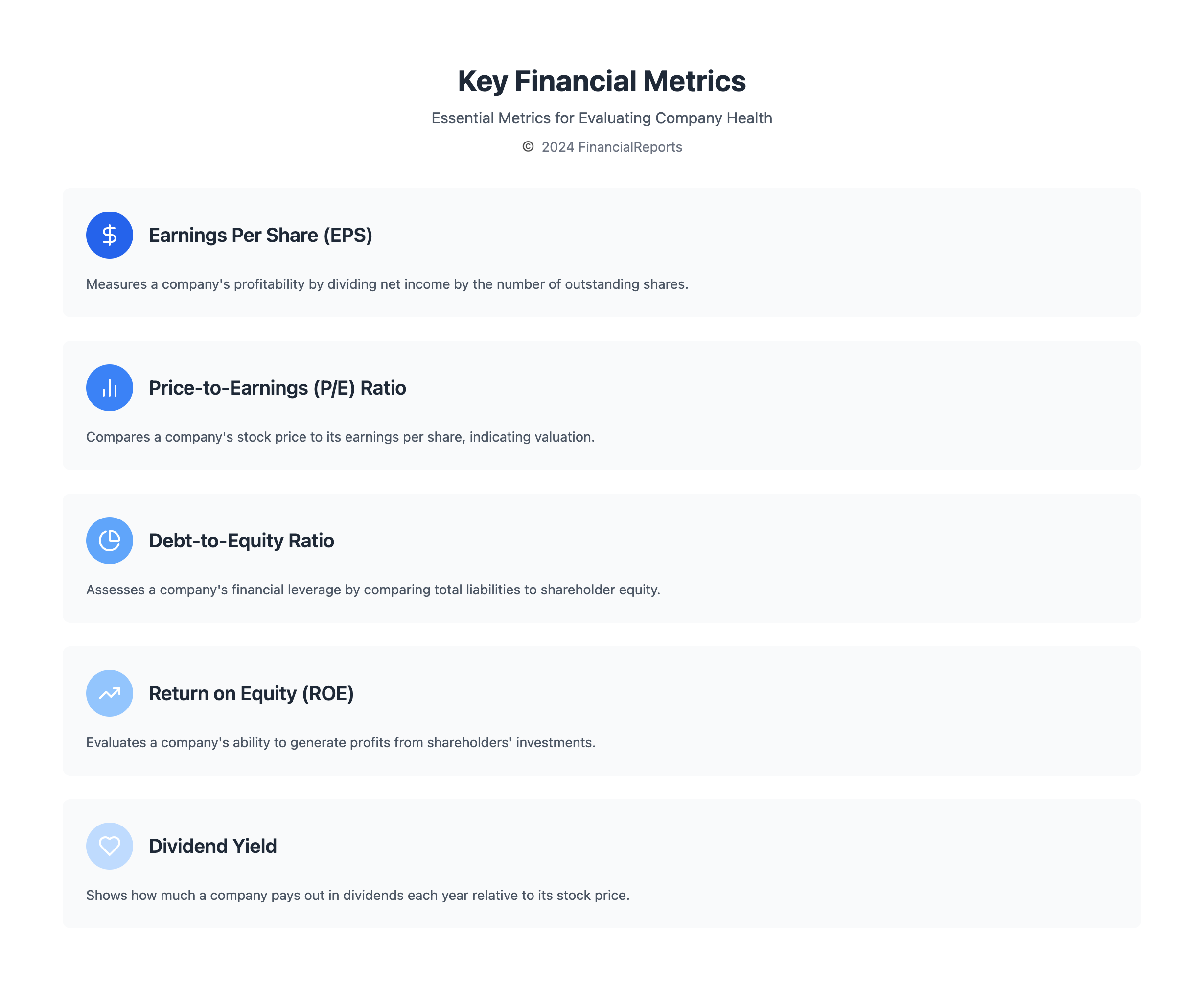
These terms help investors check a company's financial health. With this knowledge and a solid grasp of the stock market basics, investors can create a winning strategy.
The Importance of Research and Analysis
Choosing stocks to buy starts with thorough research and analysis. Look at a company's financials, management team, and industry trends. This helps predict its future stock price. Investors should also check the company's revenue, net income, earnings per share, and price-earnings ratio.
Fundamental analysis is key. It checks a company's financial health and growth chances. Look at the Debt-to-EBITDA ratio and compare it to the industry average. A lower ratio means a company might be a better investment.
When picking stocks, also consider the company's competitive edge, management team, and industry trends. This helps investors make better choices.
Fundamental Analysis Explained
Fundamental analysis is vital for investors. It helps spot opportunities and risks. By studying financial statements, investors learn about revenue growth, profitability, and cash flow.
This info helps estimate future stock prices. For example, the Price-to-Earnings (P/E) ratio can show if a stock is undervalued compared to others in the same industry.
Technical Analysis: What You Need to Know
Technical analysis is also important. It looks at charts and patterns to forecast price movements. Combining fundamental and technical analysis gives a full view of a company's prospects.
Investors should use both methods to make informed decisions. This way, they can understand a company's true value and growth possibilities.
| Financial Metric | Definition | Importance |
|---|---|---|
| Debt-to-EBITDA ratio | Measures a company's debt in relation to its earnings | Helps investors evaluate a company's financial health |
| Price-to-Earnings (P/E) ratio | Compares a company's stock price to its earnings per share | Helps investors evaluate a company's valuation |
| Price/Earnings-to-Growth (PEG) ratio | Compares a company's P/E ratio to its expected earnings growth rate | Helps investors evaluate a company's growth prospects |
Evaluating a Company’s Financial Health
When looking to buy stock, it's key to check a company's financial health. Look at financial statements like the balance sheet and income statement. Also, check the cash flow statement. Important ratios to watch include the price-to-earnings ratio and dividend yield.
According to Schwab, focus on stocks rated A or B. These are seen as good choices. To choose a stock, look at liquidity, solvency, and profitability. Use metrics like the current ratio and operating margin to help.
Some important metrics to consider are:
- Liquidity: current ratio and quick ratio
- Solvency: debt-to-equity ratio
- Operating efficiency: operating margin
- Profitability: net margin
| Metric | Description |
|---|---|
| Current Ratio | Current assets / current liabilities |
| Quick Ratio | (Current assets - inventory) / current liabilities |
| Debt-to-Equity Ratio | Total liabilities / total shareholder equity |
By looking at these metrics, investors can make smart choices. This helps in picking the right stock to invest in.
Analyzing Industry Trends
Understanding industry trends is key when picking stocks. It's about knowing what's happening in different sectors and how the economy affects them. This includes looking at GDP, inflation, and interest rates. It helps investors see where growth might happen and make smarter choices.
To find the right stocks, look at the industry's health. Check things like revenue growth, competition, and rules. Also, examine ratios like P/E, debt-equity, and ROE to see how a company stacks up. Trend analysis can spot good times to buy or sell, reducing risks and boosting returns.
Important metrics for company performance include:
- Price-to-earnings (P/E) ratio
- Debt-equity ratio
- Return on equity (ROE)
- Earnings yield
- Relative dividend yield
By looking at these and using trend analysis, investors can pick better stocks. This leads to more informed and successful investments.
Utilizing Investment Strategies
When it comes to how to pick good stocks, investors use various strategies. Growth investing focuses on companies with high growth. Value investing looks for undervalued companies with strong fundamentals. Investors must consider their financial goals and risk tolerance to decide how to know what stocks to buy.
A diversified portfolio can reduce risk and increase returns. Stock picking means choosing stocks that fit your strategy, like growth or value. Mixing strategies can lead to higher returns with less risk.
Investors should consider a few things:
- Passive index investing for broad diversification and lower costs
- Active investing to beat the market by picking individual stocks or funds
- Dollar-cost averaging to avoid high prices and invest regularly
Finding a strategy that works for you is key to successful investing. By understanding stock picking and investing, you can make smart choices and reach your financial goals.
| Investment Strategy | Description |
|---|---|
| Growth Investing | Focuses on companies with high growth |
| Value Investing | Looks for undervalued companies with strong fundamentals |
| Index Investing | Passively diversifies money among various equities to mirror the overall stock market's performance |
The Role of Market Sentiment
Market sentiment is key in setting stock prices. It's vital to understand it for smart investing. Schwab says market sentiment greatly affects stock prices. Knowing the current sentiment is important for your investments.
Investors can check market sentiment with tools like the VIX, or fear index. The Bullish Percent Index (BPI) and High-Low Index also offer insights. By learning how to pick stocks wisely, investors can avoid emotional decisions.
Several factors shape market sentiment:
- Fear and greed can change sentiment a lot
- Trading volume shows changes in sentiment
- Social media, like Reddit, can sway sentiment and stock prices
Staying current with market trends helps investors grasp sentiment. This includes looking at indicators like the VIX and BPI. It also means understanding how sentiment affects stock prices.
| Indicator | Description |
|---|---|
| VIX | Measures the expected volatility of the S&P 500 index |
| Bullish Percent Index (BPI) | Measures the number of stocks with bullish patterns |
| High-Low Index | Compares the number of stocks at 52-week highs to those at 52-week lows |
Utilizing Technology and Tools
Technology has changed the game for choosing shares to invest in. Now, tools that were once only for pros are available to everyone. Algorithms and robo-advisors quickly sort through lots of financial data. This makes it easier to figure out which stocks to buy.
Investors can use many tools to make smart choices. For example:
- WallStreetZen.com gives simple yet useful info for picking stocks
- EquBot uses AI to analyze stocks and spot trends
- Trade Ideas uses AI to find stocks with unusual activity
These tools help investors make better choices. They use past data and current market conditions to guide decisions. This way, investors can pick stocks wisely and possibly earn more.
| Tool | Description |
|---|---|
| QuantConnect | Allows building, testing, and deploying trading algorithms in real market conditions |
| AlphaSense | Employs natural language processing to analyze financial documents and news for market sentiment and relevant data affecting stock prices |
| Alpaca | Enables automated high-frequency trading with algorithm automation, backtesting, and smart order routing to optimize trade execution |
Developing a Long-Term Investment Plan
Creating a long-term investment plan is key to reaching financial goals and avoiding common pitfalls. To craft a successful plan, you need to know how to choose stocks wisely. This means setting clear financial targets, regularly checking and tweaking your portfolio, and avoiding decisions based on emotions.
Investopedia says a well-planned strategy keeps investors on track and informed. To begin, consider these steps:
- Define your investment objectives and risk tolerance
- Learn how to know what to invest in and how to pick good stocks
- Develop a diversified portfolio to minimize risk
Successful investors focus on a stock's future, not its past. Having a solid investment plan and sticking to it is vital for long-term success. This approach boosts your chances of earning positive returns and reaching your financial goals.
Investors who keep their portfolios diverse and stay the course tend to see better results. Holding onto stocks that are doing well and cutting losses on those that aren't is a winning strategy. By adopting these tactics and learning how to pick stocks, you can create a plan that helps you meet your financial targets.
| Investment Strategy | Benefits |
|---|---|
| Diversification | Minimizes risk and increases the chance of positive returns |
| Long-term approach | Helps investors navigate market ups and downs and reach their goals |
Common Mistakes to Avoid When Picking Stocks
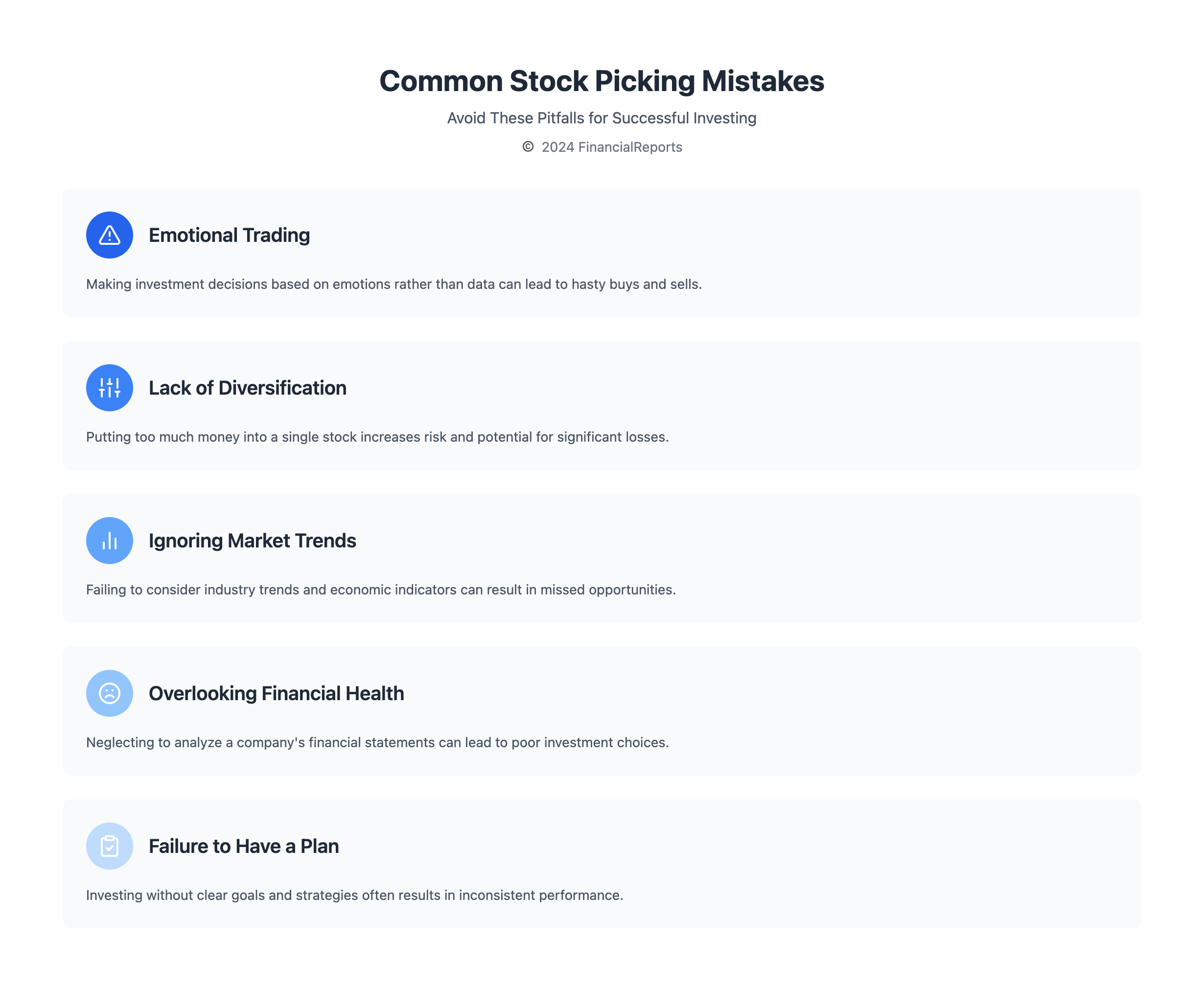
Starting to build a stock portfolio is exciting, but beware of common pitfalls. One big mistake is letting emotions control your choices. Emotional trading can lead to quick buys and hasty sells, hurting your long-term success. Try to make smart, data-based decisions by analyzing trends and financial data carefully.
Another mistake is not diversifying your portfolio. It might seem smart to put a lot of money into one stock, but it's risky. Diversification helps you handle market ups and downs better. By spreading your money across different areas, you protect your investments from big losses.
Successful stock picking means being patient and focused on the long term. Keep your financial goals in mind, check your portfolio often, and adjust your plan as needed. Avoid these common errors and use a smart, diversified approach to build a strong stock portfolio.
FAQ
What are the key terms every investor should know?
Key terms include earnings per share, price-to-earnings ratio, and dividend yield. These terms are vital for making smart investment choices.
How are stocks valued?
Stocks are valued in many ways. This includes looking at a company's financials, its management team, and the industry trends. It also involves checking the company's competitive position.
What types of stocks should investors consider?
Investors should look at growth stocks, value stocks, and dividend stocks. The choice depends on their goals and how much risk they can take.
What is the difference between fundamental analysis and technical analysis?
Fundamental analysis looks at a company's financials and industry trends. Technical analysis, on the other hand, examines stock charts and patterns to guess future prices.
What are the key financial statements investors should understand?
Investors need to know the balance sheet, income statement, and cash flow statement. These statements help evaluate a company's financial health.
What are the important ratios to assess a company's performance?
Important ratios include the price-to-earnings ratio, dividend yield, and return on equity. These ratios give insights into a company's financial health and growth.
How can investors identify growth industries?
Investors can spot growth industries by looking at trends, economic indicators, and market data. This helps find industries with strong growth and investment opportunities.
What are the differences between growth investing and value investing?
Growth investing focuses on companies with high growth. Value investing looks for undervalued companies. Both strategies work well, depending on the investor's goals and risk level.
How can an investor's psychology impact their investment decisions?
Investor psychology, like fear and greed, can lead to bad decisions. It's important to stay informed and disciplined to avoid these pitfalls.
What are some common mistakes to avoid when picking stocks?
Common mistakes include emotional trading and ignoring trends and data. Not diversifying is another mistake. Avoiding these can help investors succeed and reach their goals.