Harness Market Momentum for Reliable Trading Gains
Market momentum is a strong force in finance, influenced by many things like investor feelings, trends, and economic signs. The momentum only trading system uses this power to make steady trading profits. By knowing market momentum, traders can decide when to buy or sell, using trends to make money.
Momentum trading is all about catching and riding market waves for success. The Relative Strength Index (RSI) and Moving Average Convergence Divergence (MACD) are key tools for spotting these trends. They help traders see when prices are too high or too low and when trends might change. Using computers and algorithms can make these strategies even better, helping traders stay on top of fast-changing markets.
By combining these tools with a good grasp of market momentum, traders can build a strong system. This system can lead to steady profits.
Key Takeaways
- Market momentum is a critical factor in reliable trading gains, driven by investor sentiment, market trends, and economic indicators.
- Momentum trading involves identifying and riding the waves of market momentum to achieve trading success.
- Technical indicators like RSI and MACD are essential tools for measuring momentum and identifying possible trend reversals.
- Computational tools and algorithmic models can enhance momentum-based trading strategies, providing more precision and flexibility.
- A well-developed momentum only trading system can drive consistent returns, but requires a deep understanding of market momentum and its underlying factors.
- Momentum trading strategies, such as trend-following and mean-reversion, can be used to leverage market momentum for trading gains.
- Risk management protocols are vital in momentum trading, as markets can quickly shift, leading to losses if not managed well.
Understanding the Momentum Only Trading System
Momentum trading is based on the idea that assets with strong market performance will keep going in the same direction. It uses the way people think and act in the market, like following trends and believing in momentum. To trade the momentum, investors can use a best momentum trading service for up-to-date data and analysis.
The momentum-only trading system looks for and takes advantage of price movements that keep going in one direction. It uses technical tools like moving averages and the Relative Strength Index (RSI) to see market momentum. By knowing these tools, traders can make good plans for momentum trading in the financial markets.
Some important things to think about in momentum trading are:
- Spotting when prices are too high or too low with RSI
- Setting profit goals and stop-loss orders to control risk
- Using algorithms and automated systems to make trading easier
By getting good at the momentum-only trading system and trading the momentum well, investors can make more money and do better in trading. It's key to pick a best momentum trading service that fits your investment goals and how much risk you can take.
The Importance of Market Momentum
Market momentum is key for momentum trading strategies. It shows the strength and direction of price changes. Traders use tools like moving averages and the Relative Strength Index (RSI) to understand this.
These tools help traders spot good times to buy or sell. They make smart choices about where to invest.
Knowing the difference between trends and momentum is vital. Trends show the overall price direction. Momentum is about how fast and strong these changes are.
By looking at momentum, traders can catch the quick price changes. This shows how fast the price is moving.
Trends vs. Momentum
Momentum trading means buying when prices go up and selling when they peak. This way, traders can make money from quick price changes. Market momentum is influenced by things like revenue growth or news.
How Momentum Affects Price Movement
Tools like moving averages and the RSI help measure momentum. The RSI shows if a stock is overbought or oversold. By using these tools, traders can make good plans to profit from market momentum.
Tools and Indicators for Momentum Trading
To trade momentum well, you need the right tools and indicators. A good momentum strategy uses technical indicators to understand market trends. This helps in making smart trading choices.
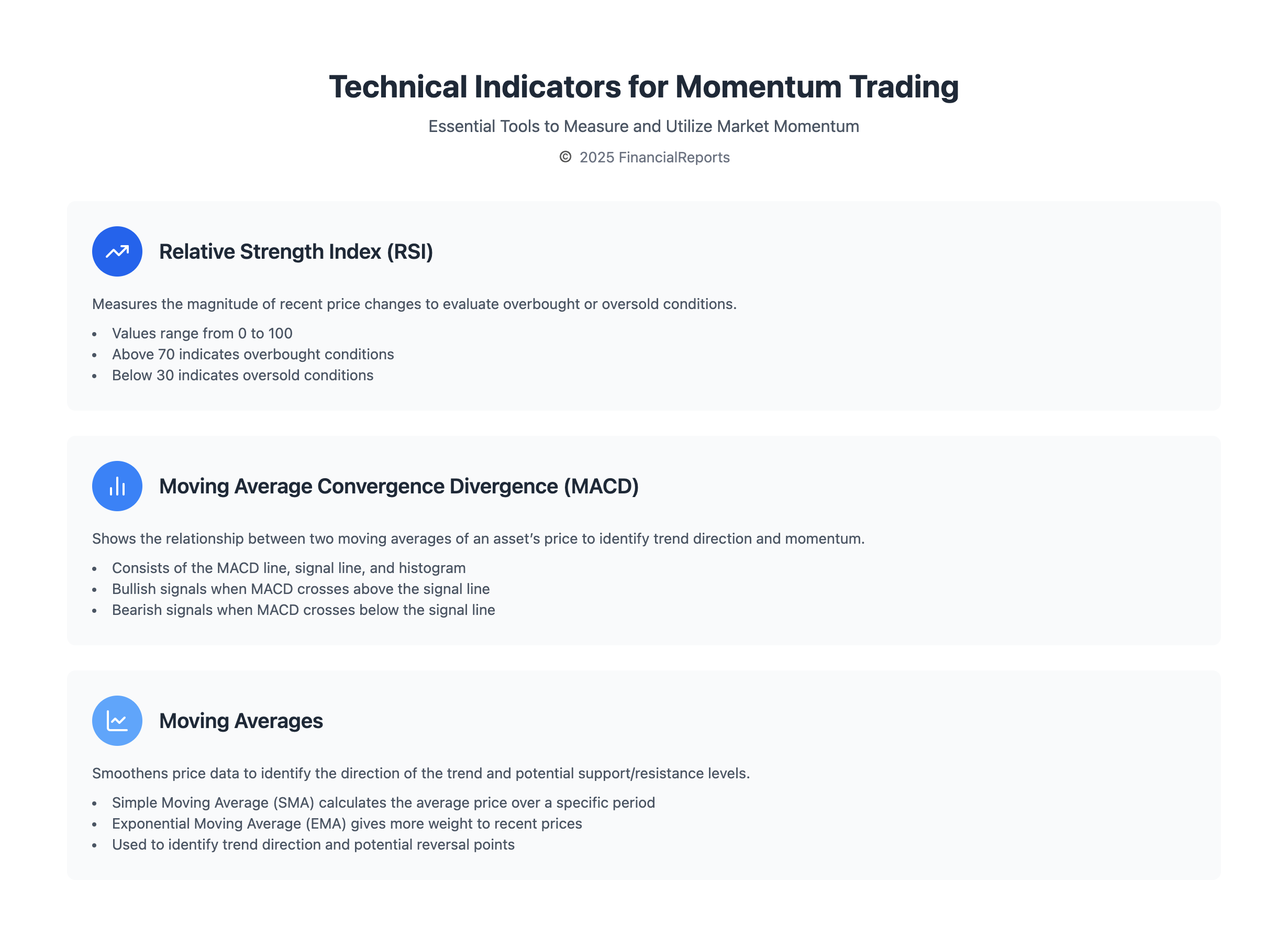
Popular indicators for momentum trading include the Relative Strength Index (RSI), Moving Average Convergence Divergence (MACD), and moving averages. These tools show the strength and direction of price changes. They help traders spot trends and when a trend might change.
Technical Indicators for Momentum Trading
- Relative Strength Index (RSI): measures average gains versus losses over a specified period
- Moving Average Convergence Divergence (MACD): identifies the relationship between two moving averages of an asset's price
- Moving Averages: provide a trend direction and possible support or resistance levels
Using these technical indicators and a momentum strategy helps traders. It's key to remember that no single indicator is perfect. Mixing different indicators can lead to better predictions and higher trading gains.
| Indicator | Description |
|---|---|
| RSI | Measures average gains versus losses over a specified period |
| MACD | Identifies the relationship between two moving averages of an asset's price |
| Moving Averages | Provide a trend direction and possible support or resistance levels |
Strategies for Effective Momentum Trading
Momentum trading is about finding and using strong trends. It also means knowing when to start and stop trades. To do this, traders need strategies that spot these trends. They look at market conditions, pick the right indicators, and set up trades based on trends.
For a good momentum trading plan, picking the right indicators is key. The Relative Strength Index (RSI) and Moving Average Convergence Divergence (MACD) are good choices. Traders also check market conditions to decide when to enter or exit a trade.
Identifying Entry and Exit Points
To find the right times to start or stop trades, traders use technical indicators. For example:
- Simple Moving Average (SMA) to spot trends in price charts
- ADX indicator to see how strong a trend is
- Momentum indicator to get buy and sell signals
Risk Management Techniques
Managing risk is very important in momentum trading. Traders use different methods, such as:
- Stop-loss orders to control losses
- Position sizing to handle risk
- Setting trade rules based on how much risk you can take
By knowing these strategies and techniques, traders can better understand financial markets. They can make smart trading choices with a momentum only trading system and momentum trading strategies.
| Technical Indicator | Description |
|---|---|
| RSI | Measures momentum on a scale from zero to 100 |
| MACD | Helps determine whether new trends are bullish or bearish |
| SMA | Identifies trends within price charts |
Advantages of a Momentum Only Trading System
Momentum traders can make the most of market swings by focusing on trends. A system that only looks at momentum can lead to higher profits. It also works well in different market situations. This method is even better with the right trading service, which offers the tools and knowledge needed.
Some key benefits of momentum trading include:
- Higher possible returns, mainly in volatile and trending markets
- Flexibility in various market conditions, allowing traders to adapt to changing market sentiment
- Opportunities for short-term and long-term trading, depending on the trader's goals and risk tolerance
By using the best momentum trading service and understanding momentum trading strategies, traders can do well. With the right tools and knowledge, traders can handle the challenges of momentum trading. They can reach their investment goals.
Challenges and Risks in Momentum Trading
Momentum trading comes with its own set of challenges and risks. These include common pitfalls and psychological factors that can sway trading decisions. To succeed, traders need to understand technical analysis and manage risks well. They must also be ready for the high volatility that market changes can bring and the costs of frequent trades.
Some of the key challenges and risks in momentum trading include:
- Overtrading, which can lead to increased costs and possible losses
- Undertrading, which can cause missed opportunities
- High trading volumes, which confirm momentum
- Breakout trading, capturing price movements when an asset's price breaks through a significant level of support or resistance
To tackle these risks, traders can use momentum trading strategies with technical indicators like the Relative Strength Index (RSI) and the Moving Average Convergence Divergence (MACD). They should also set clear criteria for stock selection, entry and exit points, and risk management. This way, traders can better navigate momentum trading and make informed decisions.
| Technical Indicator | Description |
|---|---|
| RSI | A momentum oscillator that measures recent price changes to spot overbought or oversold conditions |
| MACD | A trend-following momentum indicator that shows the relationship between two moving averages |
By blending technical and fundamental analysis, traders can craft winning strategies that use momentum trading principles. It's vital to manage an investment portfolio well to limit risk and boost returns in momentum trading. As momentum can self-perpetuate due to a positive feedback loop, traders need to be prepared for quick price changes and adjust their plans as needed.
Developing a Trading Plan for Momentum Trading
For success in momentum trading, a solid trading plan is key. It sets clear goals and picks the best trading times. Understanding market dynamics and trading momentum well is essential.
To craft a trading plan, traders should focus on a few important points:
- Setting realistic goals and objectives
- Selecting the right timeframes for trading, such as the ideal time of 9:30am - 11:30am
- Implementing a risk management strategy, such as setting a 20 cent stop for a 2:1 profit loss ratio
By including these elements in a trading plan, traders boost their success chances. It's vital to keep the plan updated to stay effective in changing markets.
Backtesting Momentum Trading Strategies
Backtesting is key to checking if momentum trading strategies work. It tests a strategy on past data to see how it might do. This helps traders fine-tune their plans and make smart investment choices.
The momentum strategy picks the top 10 S&P500 stocks with the most positive momentum. It also short sells the bottom 10 with the most negative momentum. It looks at annualized return, Sharpe ratio, and maximum drawdown to judge its success.
Importance of Historical Data
Historical data is essential for backtesting momentum trading strategies. It shows how a strategy might have done in the past. This helps traders spot what works and what doesn't, improving their chances of success.
Tools for Backtesting
Many tools help backtest momentum trading strategies. These include software and online platforms. They let traders test their strategies on past data, giving insights into their possible performance. Matplotlib is one tool that helps visualize returns over time.
Choosing a best momentum trading service means looking at its backtesting tools and data quality. A good service offers detailed historical data and advanced tools. This helps traders fine-tune their strategies and reach their investment goals. Backtesting and historical data are powerful tools for traders to stay competitive.
| Strategy | Annualized Return | Sharpe Ratio | Maximum Drawdown |
|---|---|---|---|
| Momentum Trading | 10.1% | 1.5 | 25% |
| Price Action Momentum | 5.7% | 2.4 | 23% |
| Sector Rotation Momentum | 7.2% | 1.2 | 44% |
Using these tools and methods, traders can improve their momentum trading strategies. This boosts their chances of success in the market. With the right approach to backtesting and historical data, traders can fully benefit from momentum trading and meet their investment goals.
Real-World Examples of Successful Momentum Trading
Momentum traders find inspiration in stories of success. They see how a momentum strategy works in different markets. For example, a trader might look at a stock's performance to make smart choices.
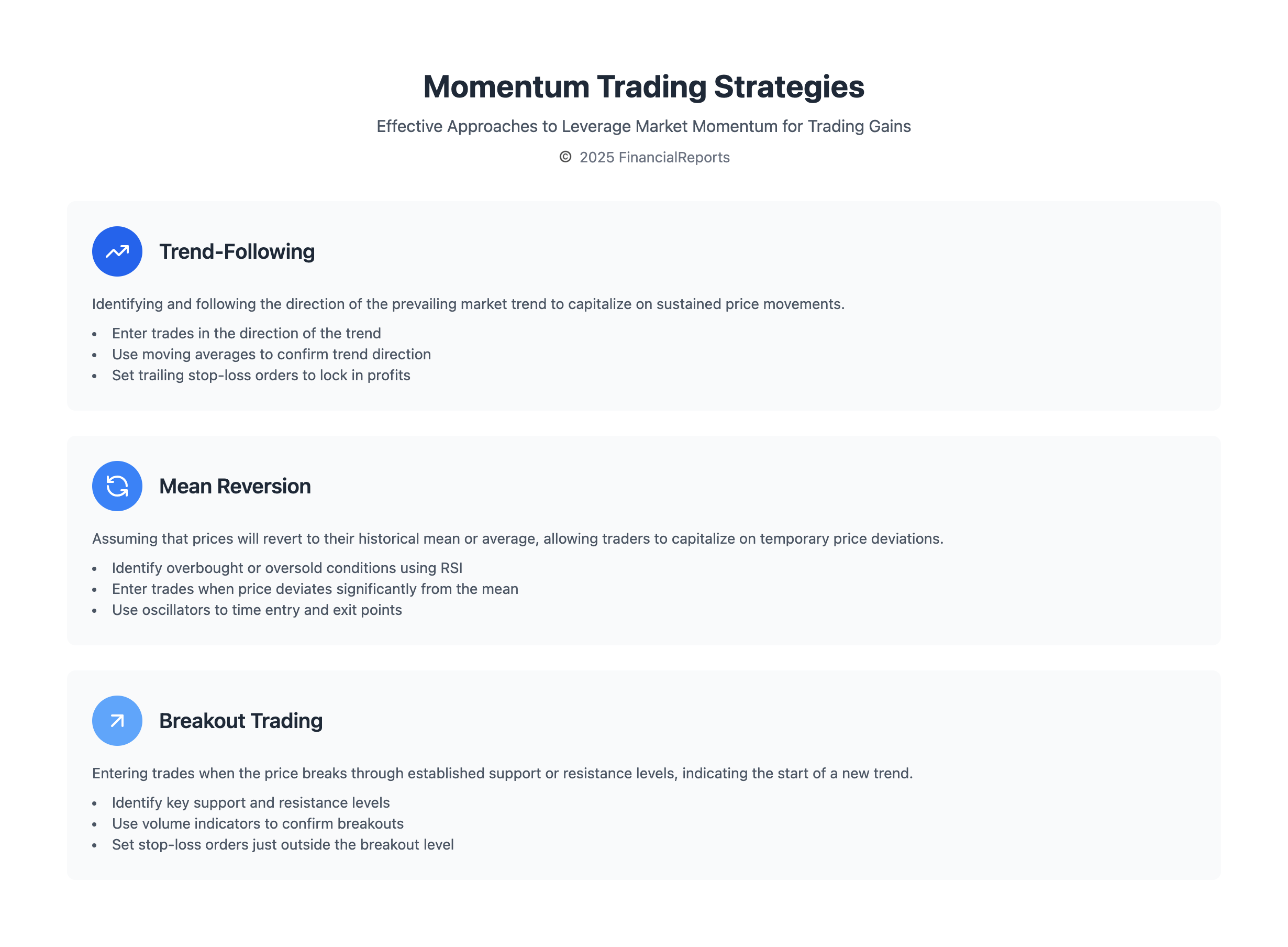
Some traders use trend-following strategies. They follow market trends to make money. Others use mean reversion strategies. They look for when things are too high or too low and then bet on a change.
Successful momentum traders share some key traits. They are disciplined and patient. They know how to read market data and trends. They also manage risk well and keep learning.
By learning from others and using these traits, you can build your own momentum strategy. It's important to stay current with market news and trends. Be ready to change your strategy to keep up.
| Strategy | Description |
|---|---|
| Trend-following | Identifying and following market trends |
| Mean reversion | Identifying overbought or oversold conditions and betting on a reversal |
Continuous Improvement in Momentum Trading
The momentum only trading system is always evolving. This means traders need to keep learning and adapting. The financial markets change a lot, with trends and patterns shifting all the time.
To stay ahead, traders must always be improving their strategies. They need to watch economic indicators, industry news, and new trading tech. This helps them find new chances and tweak their methods.
Also, being dedicated to learning through workshops, webinars, and publications is key. It gives traders the edge they need to succeed in the fast-paced world of finance.
FAQ
What is the momentum-only trading system?
The momentum-only trading system uses market momentum to predict future directions. It focuses on sustained price movements to make trades.
What are the key principles of momentum trading?
Momentum trading uses technical indicators like moving averages and the Relative Strength Index (RSI). These tools help traders understand market momentum and make smart trades.
What is the difference between trends and momentum?
Trends show the overall direction of prices. Momentum is how fast and strong these movements are. Traders use momentum to spot good trading chances.
What tools and indicators are used in momentum trading?
Traders use RSI, MACD, and moving averages to track momentum. Volume and news also play a role in confirming trades.
What are some strategies for effective momentum trading?
Good momentum trading means knowing when to enter and exit trades. It also involves managing risk with stop-loss orders and sizing positions right.
What are the advantages of a momentum-only trading system?
This system can lead to higher returns and works well in different markets. It focuses on trends and momentum for better trading decisions.
What are the challenges and risks in momentum trading?
Momentum trading faces challenges like overtrading and undertrading. Psychological factors also play a role. Traders need strategies to overcome these hurdles.
How important is a trading plan for momentum trading?
A trading plan is key for momentum trading. It sets goals and picks the right trading times. A good plan helps traders make smart moves.
Why is backtesting important for momentum trading strategies?
Backtesting checks if trading strategies work with past data. It's vital for refining strategies and improving trading success.
What can we learn from real-world examples of successful momentum trading?
Studying successful trades offers valuable lessons. It helps traders learn from others and improve their strategies.
Why is continuous improvement important for momentum trading?
Keeping up with market changes is essential. Continuous learning and adapting are key to success in momentum trading.