Boost Your Net Profit Ratio with Key Strategies
To boost your net profit ratio, it's key to know what affects it. A good net profit margin is between 5% and 20%. For many industries, 10% is seen as a benchmark. Understanding how to up your profit margin is vital for success.
The net profit margin is found by dividing net profit by total sales. It shows a company's profitability as a percentage. This measure is essential for gauging a business's health.
To better your net profit ratio, you need to look at your business closely. This includes your expenses, how you make money, and how well you run things. By making your operations smoother, cutting costs, and managing your stock better, you can raise your profit margins.
Also, diversifying your market, innovating, and building your brand can help. These steps can significantly improve your net profit ratio.
Key Takeaways
- A healthy net profit margin ranges from 5% to 20%, with 10% considered a good margin for many industries.
- Understanding how to increase profit margin is vital for business success.
- Improving net profit ratio requires analyzing expenses, revenue streams, and operational efficiency.
- Streamlining operations, cutting costs, and improving inventory management can increase net profit margins.
- Market diversification, innovation, and brand building are also effective strategies to improve net profit ratio.
- Companies can improve net margin by increasing revenues or reducing costs, such as lowering operating expenses or finding cheaper sources of raw materials.
- Improving operational efficiency and evaluating revenue streams can also boost net profit margins.
Understanding the Net Profit Ratio
The net profit ratio shows how much money a company makes compared to its sales. To grow profits, companies need to boost their gross profit margin. They can do this by setting better prices, cutting costs, and working more efficiently.
A higher net profit ratio means a company is more profitable than others. A lower ratio means its profits are falling. Companies with high ratios manage costs well, have skilled teams, and set smart prices. For instance, a 12% net profit margin can rise with cost cuts and better pricing.
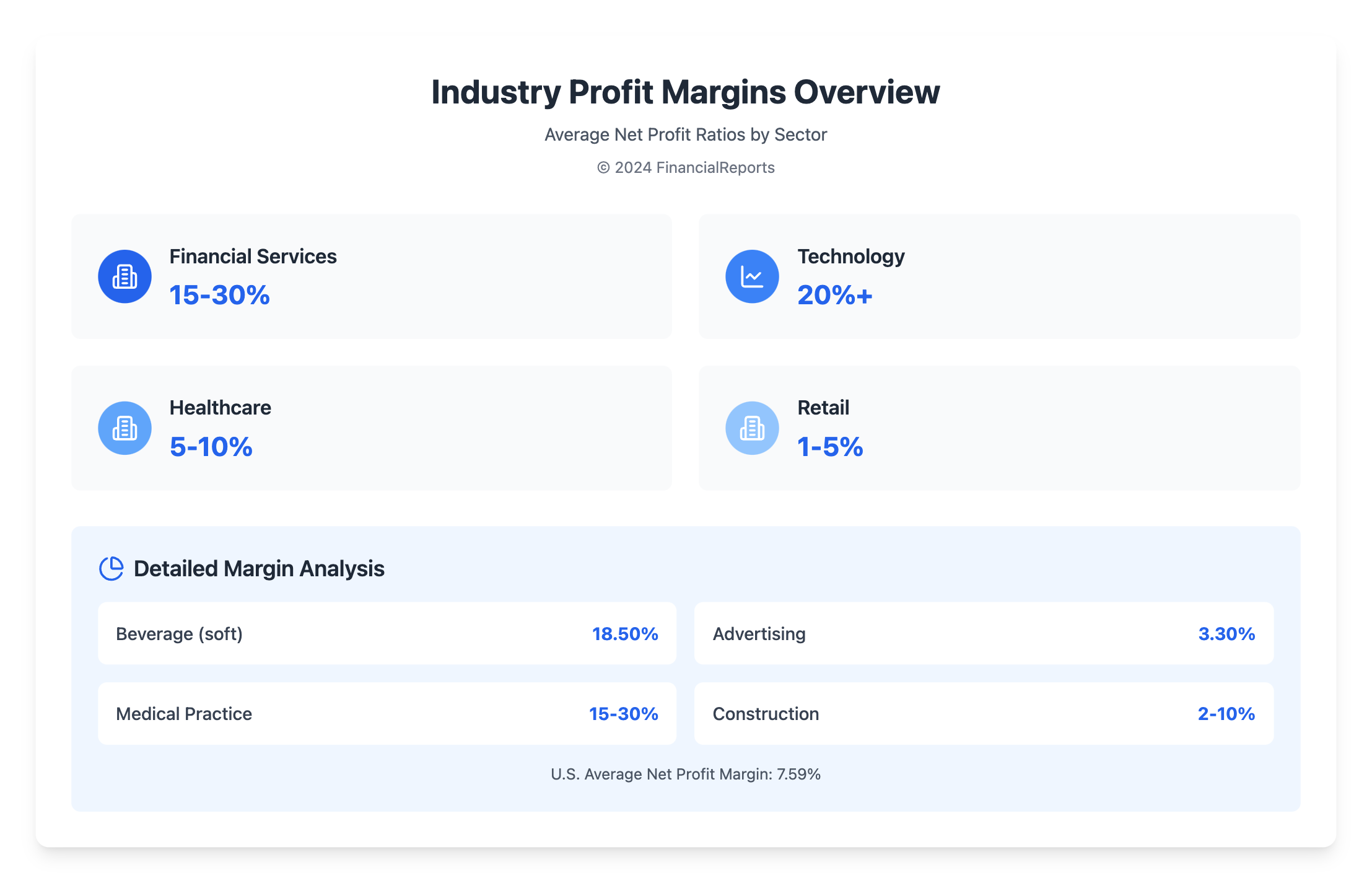
Important metrics include the net profit margin formula: Net Profit Margin = Net Profit / Total Revenue x 100. Comparing to industry standards helps see how a company stacks up. Here's a table showing typical profit margins by industry:
| Industry | Typical Profit Margin Ratio |
|---|---|
| Technology and Software | 20% or higher |
| Financial Services | 15% to 30% |
| Healthcare | 5% to 10% |
| Retail | 1% to 5% |
By tracking the net profit ratio and key metrics, companies can spot where to improve. This helps them grow profits and stay financially healthy.
Analyzing Your Current Financial Position
To boost profit margin and increase gross margin, you need to check your finances. Look at your income statements and track costs. A study by NYU's Stern School of Business found the average net profit margin in the U.S. is 7.59%.
Watch your gross margin, operating margin, and net profit margin closely. These numbers show how well you can sell your products, manage costs, and make money after all expenses and taxes. By looking at these, you can spot where you're losing money and fix it.
Some important financial ratios to check include:
- Gross Profit Margin: This is gross profit divided by revenue.
- Operating Margin: It shows the sales left after costs like COGS and operating expenses are subtracted.
- Net Profit Margin: This is the profit left after all expenses, including taxes and interest, are taken out.
Knowing these ratios and how to boost them helps businesses. It leads to better profit margins and a stronger financial standing.
| Financial Ratio | Formula | Importance |
|---|---|---|
| Gross Profit Margin | Gross Profit / Revenue | Shows if you can sell your products for more. |
| Operating Margin | (Revenue - COGS - Operating Expenses) / Revenue | Helps you see if you're managing costs well. |
| Net Profit Margin | Net Income / Revenue | Tells you if you're making money after all expenses and taxes. |
Cost Reduction Strategies
To boost net profit margin, businesses should cut costs. They can do this by making operations more efficient, negotiating with suppliers, and using technology. Cutting costs helps increase net margin, which is key for better profits.
Effective cost-cutting includes lowering labor costs, saving on insurance, and reducing utility bills. For example, businesses can cut labor costs by reducing hours, scheduling better, and using contractors. They can also save on insurance by removing unnecessary coverage and finding better rates.
Technology can also help cut costs. Automating tasks and using accounting software can track expenses and lower operational costs. By focusing on cost reduction, businesses can boost their gross and net profit margins, leading to higher profits.
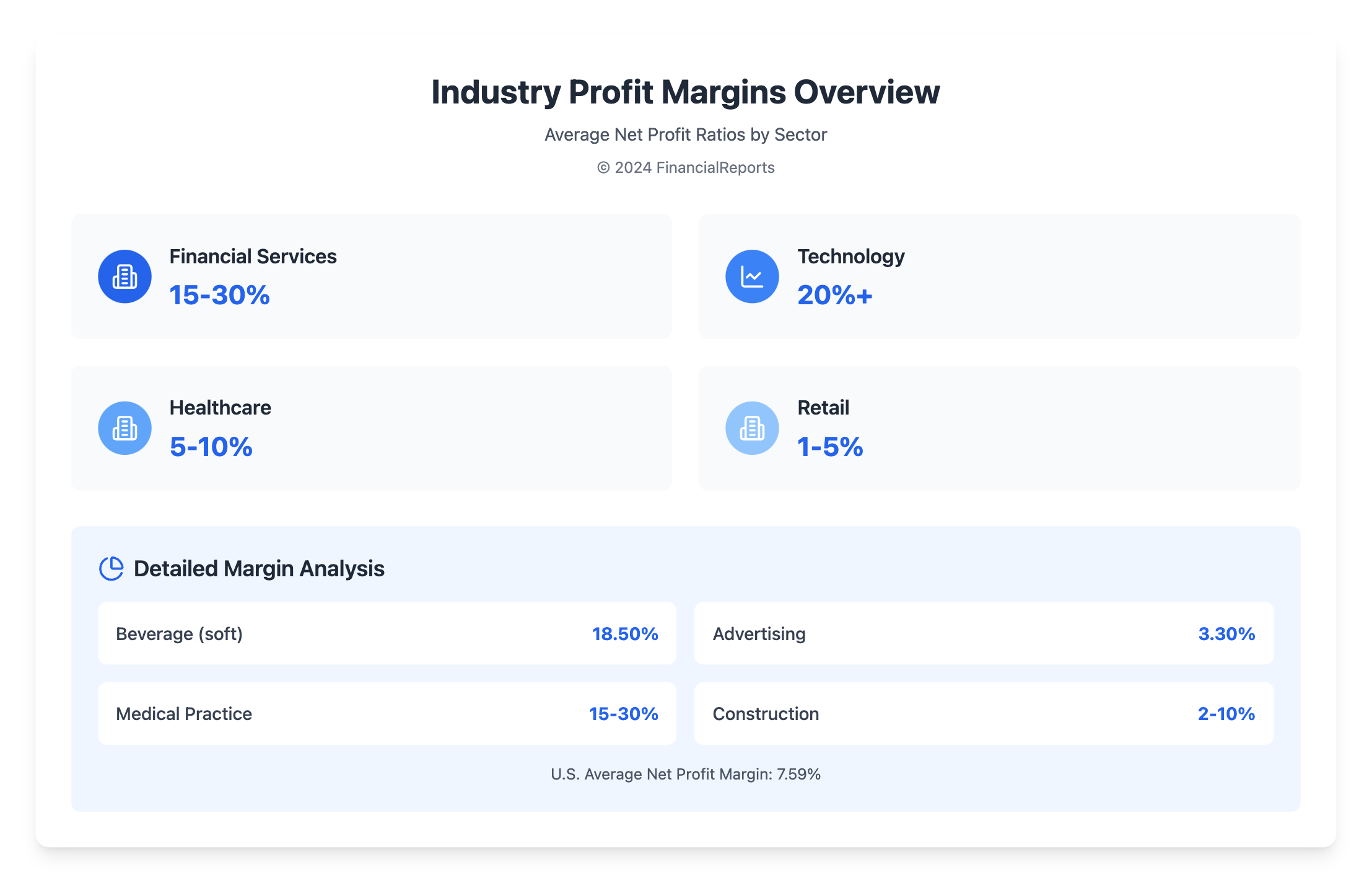
| Industry | Average Net Profit Margin |
|---|---|
| Advertising | 3.30% |
| Apparel | 5.87% |
| Beverage (soft) | 18.50% |
Understanding how to improve gross and net profit margins is vital. Businesses can make smart choices to cut costs and grow revenue. This includes evaluating products, introducing new offerings, and adjusting prices. By focusing on cost reduction and revenue growth, businesses can achieve long-term success.
Enhancing Revenue Streams
To boost the net profit ratio, businesses need to focus on increasing revenue. They can do this by adding new products, entering new markets, and using digital marketing. This way, they can make more sales, which helps increase the net margin. But, they must avoid raising prices too high, which could scare off customers.
Some ways to boost revenue include:
- Diversifying product offerings to attract new customers and increase average sales
- Expanding into new markets to tap into unexplored customer bases
- Leveraging digital marketing to reach a wider audience and optimize marketing spend
By using these strategies, businesses can see their net profit margin go up. For example, a 5% increase in net profit margin can mean an extra $50,000 in profit. This is based on a 10% net profit margin on a million dollars in sales. To increase net profit margin and improve net profit ratio, companies should look at their finances and find areas to get better.
Here's a table showing average profit margins by industry:
| Industry | Average Profit Margin |
|---|---|
| Agriculture | 7% |
| Construction | 2-10% |
| Medical Practice | 15-30% |
| Restaurants | 3-10% |
By knowing these industry averages and using smart strategies, businesses can grow their revenue. This leads to a better net profit ratio, making them more profitable and competitive in their markets.
Improving Pricing Strategies
To boost profit margins, businesses need to look at the market, competition, and what customers are willing to pay. A smart pricing plan must balance what the market can handle in terms of supply and price. By understanding how to increase profit margin, companies can make better pricing choices.
Doing a competitive analysis is key to finding the right price for a product or service. This means checking out what similar products or services cost and adjusting your price. Using psychological pricing, like charm or prestige pricing, can also sway customer opinions and boost sales. A value-based pricing model can help by charging based on the product's or service's value.
Some ways to get customers to pay more include:
- Adding features or services to enhance the product or service
- Redesigning the product or service for aesthetics or luxury
- Using high-quality components or meeting certain standards
By using these strategies, businesses can raise their profit margins and do better financially.
| Strategy | Description | Example |
|---|---|---|
| Value-based pricing | Charging customers based on the perceived value of the product or service | A company charges a premium price for a high-end product based on its brand reputation and quality |
| Psychological pricing | Using pricing techniques to influence customer perception and increase sales | A company uses charm pricing by setting the price of a product at $9.99 instead of $10.00 |
Effective Budgeting Techniques
Effective budgeting is key for businesses to make more profit. A good budget helps set financial goals, looks at past results, and predicts the future. To improve profit margin, businesses need to match expenses with income. This means every dollar spent should help make more money.
Setting Realistic Financial Goals
Businesses can use the 50/30/20 rule to budget. This means 50% for direct costs, 30% for overhead, and 20% for profits. This rule helps increase gross profit margin by balancing costs and income.
Allocating Resources Wisely
Businesses can also use resources better by finding ways to cut costs and increase income. They should keep an eye on their budget and make changes as needed. This helps them stay on track and make smart choices for growth.
- Identify cost reduction areas
- Optimize resources
- Maximize revenue
By using these budgeting tips, businesses can improve profit margin and reach their financial targets. Keeping an eye on the budget and making adjustments helps businesses grow and stay profitable.
Optimizing Inventory Management
Efficient inventory management is key for businesses to cut costs and boost profits. By using strategies like just-in-time inventory and inventory management software, companies can lower holding costs. This helps improve gross margin and increase profits.
To do this, businesses can try different methods, including:
- ABC Analysis to sort inventory into high-value and low-value items
- Economic Order Quantity (EOQ) formula to find the best stock levels
- Safety Stock to get ready for demand spikes and supply-chain issues
By improving inventory management, businesses can cut storage costs and manage expenses better. This leads to higher profits and a strong market position. For instance, retailers cut their inventory nearly 6% YoY in January 2021, saving a lot of money. With good inventory management, companies can increase their gross margin, leading to more success.
| Inventory Management Strategy | Benefits |
|---|---|
| Just-in-Time Inventory | Lower holding costs, better cash flow |
| Inventory Management Software | Best inventory levels, better work flow |
| ABC Analysis | Better inventory sorting, less waste |
Monitoring Key Performance Indicators (KPIs)
To improve net profit margin, it's key to watch key performance indicators (KPIs). These show how well a company is doing financially and how efficient it is. Understanding how well a company runs helps see how it affects profit.
Some important KPIs to keep an eye on include:
- Net profit margin: Net Profit / Revenue
- Gross profit margin: (Revenue - Cost of Goods Sold) / Revenue
- Accounts receivable efficiency (DSO): (Accounts Receivable / Total Credit Sales) x Number of Days
By looking at these KPIs, companies can spot where they can get better. They can then work on ways to increase net profit margin. For example, better managing inventory and making operations smoother can cut costs and boost sales.
| KPI | Formula | Description |
|---|---|---|
| Net Profit Margin | Net Profit / Revenue | Evaluates the percentage of revenue left after accounting for all expenses |
| Gross Profit Margin | (Revenue - Cost of Goods Sold) / Revenue | Quantifies the percentage of total sales revenue retained after direct costs are subtracted |
It's important to check and tweak plans often. This keeps a company on top of market changes and helps it succeed financially over time.
The Role of Financial Planning and Analysis
Creating a solid long-term financial plan is key for businesses wanting to boost their net profit ratio. Our FP&A software helps in making plans based on data. It uses forecasting tools to predict market trends and guide decisions.
Regular financial checks and tweaks are also important. They help businesses quickly adjust to economic changes and increase profit margins.
Working with professional financial advisors can also help a lot. Our FP&A platform works well with these advisors. It offers real-time analytics and forecasting to help make smart decisions.
By using financial planning and analysis, businesses can stay ahead. They can adapt and grow, even when the market changes.
FAQ
What is the typical range for a healthy net profit ratio?
A good net profit ratio is usually between 5% and 20%. A 10% ratio is often seen as a benchmark for many businesses.
Why is the net profit ratio important for business success?
The net profit ratio shows how well a company is doing financially. It helps businesses see if they're making enough money after all costs are paid. This is key for staying in business and growing.
How can I analyze my current financial position to identify areas for improvement?
Start by looking closely at your income statements and what you spend on operations. Our tools can find weak spots in your finances. This way, you can make your business more efficient.
What strategies can I implement to reduce costs and improve my net profit ratio?
To cut costs, make your business run smoother, get better deals from suppliers, and use technology to save time and money. Our tools can help you find and fix these areas.
How can I enhance my revenue streams to boost my net profit ratio?
You can make more money by selling different products, reaching new customers, and using digital marketing well. Our tools can give you insights to make these plans work.
What pricing strategies can I use to improve my net profit ratio?
To make more money, compare prices, use smart pricing, and focus on value. Our data and tools can help you set and use these strategies.
How can I effectively budget and allocate resources to improve my net profit ratio?
Set clear financial goals, use resources wisely, and watch your budget closely. Our tools can help you track and make smart financial choices.
What inventory management strategies can I use to boost my net profit ratio?
Cut costs by managing inventory better, use Just-In-Time systems, and software. Our tools can help you find the best inventory levels and manage it all.
How can I use Key Performance Indicators (KPIs) to monitor and improve my net profit ratio?
Pick the right KPIs, make detailed reports, and change your plans based on data. Our tools can help you track important metrics and make smart choices.